

Cattle market produces good returns in 2025
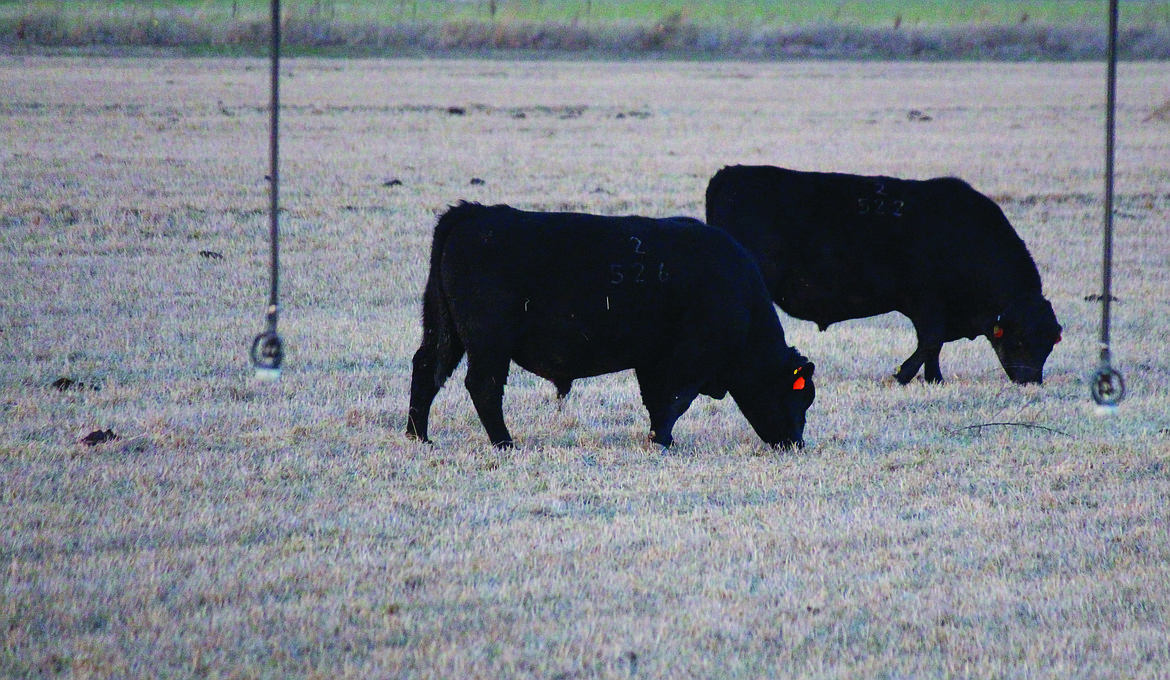
Cattle graze in a crop circle near Quincy. The cattle market was good in 2025, after some years of low returns.
Cheryl Schweizer/Basin Business Journal
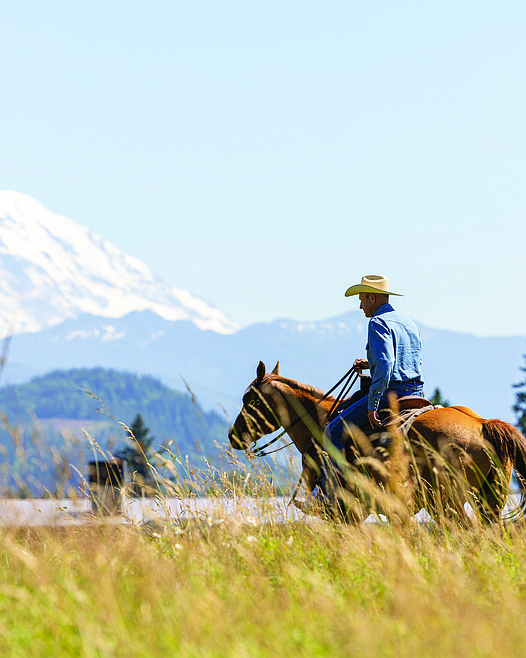
Ranchers in Washington saw a better market in 2025, industry analysts said.
COURTESY PHOTO/WASHINGTON STATE BEEF COMMISSION;cdphotog.com
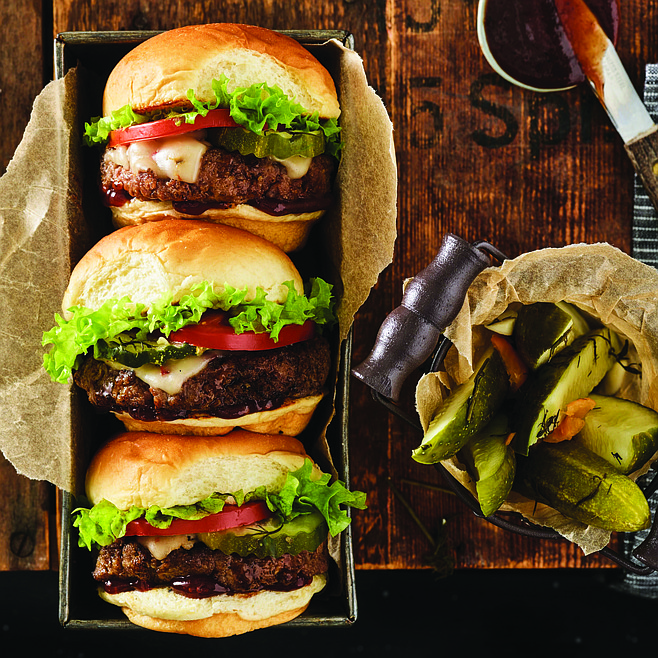
Beef continues to be a popular source of protein for consumers.
COURTESY PHOTO/WASHINGTON STATE BEEF COMMISSION;Jessica Grenier
ELLENSBURG — Improved cattle prices resulted in a better year for ranchers in 2025.
“Cattle prices have been record-setting over the last year,” said Executive Director of the Washington Beef Commission Jackie Madill.
Executive Vice-President of the Washington Cattlemen’s Association Chelsea Hajny said those good prices follow a few years of bad prices.
“The past few years, the cattle market has been fairly depressed. And prices have been low, coupled with really high input costs – feed, fuel, just the cost of running a business. It’s expensive,” Hajny said. “There’s not been a lot of meat on the bone for the cattle rancher. And so, yeah, this market has been a welcome relief.”
A lot of Washington ranchers have diversified operations, and in 2025, cattle carried the load for some operators, she wrote in a separate email to the Basin Business Journal.
“Unlike other commodities in this state, cattle are doing well at the moment. A good number of our members also farm and are losing money on that side of their operation. Right now, it can be said the cows are saving the farm,” she wrote.
Cattle prices did drop briefly in the late fall, Madill said.
“But we saw pretty steady recovery and comeback to that,” she said.
As of Feb. 17, 2025, the average price for slaughter cattle was $152.50 per head, according to U.S. Department of Agriculture data associated with Eastern Washington cattle auctions. On May 17, the average price was $159.50 per head; on Sept. 17, it was $170.69 per head. On Jan. 8, 2026, the average price was $169 per head.
The current cattle market is a classic example of the economic law of supply and demand, Madill said.
“We’re seeing record demand for beef, both domestically and internationally,” she said.
Beef is a good source of protein, and people are prioritizing protein in their diets, she said. There are, of course, other good sources – milk and eggs, almonds and peanuts, lentils, chicken breasts and turkey breasts, among others. Cattle is the preferred avenue for obtaining that nutrition though.
‘(Consumers) include other proteins in their diet, but beef is what they want,” Madill said.
High demand is coming at a time when supply is low.
“The cattle herd is at an historic low,” Madill said.
Some of that is due to outside conditions, she said. She cited the example of persistent drought in sections of the Intermountain West and Southwest; that means less forage on the range. With less grass to eat, ranchers have been cutting back on their herds in areas adjacent to the Rocky Mountains and in the Southwest.
“Seven years of declining calf crops, culminating in the 2025 calf crop at the lowest level since 1941, and limited signs of heifer retention mean the feeder cattle supplies will be tighter going into 2026 and may tighten even more during the year if heifer retention picks up,” wrote Derrell Peel, a professor in the Department of Agricultural Economics at Oklahoma State University Extension.
Madill said she grew up in the cattle industry, has worked around it most of her life, and has noticed a pattern in Washington. The state’s herd size tends to grow and shrink in cycles that are approximately 10 years. But while there are fewer cattle, improvements in herd management, diet, genetics and other things mean that the beef industry is producing about the same amount of meat as it did with a bigger herd, she said.
“More efficient, healthier, higher performing animals,” Madill said.
Consumers have seen higher prices, and the popularity of cheaper cuts of beef has increased, Hajny said. People haven’t stopped eating beef, though.
“Eating like our grandparents did,” she said. “Getting back to real food, prioritizing a balanced diet. I think it really goes back to that.”
Back in the day, ranching was mostly concentrated on the dry side of Washington, in the Eastern and Central parts of the state. That’s changed, Hajny said.
“The Washington Cattlemen’s Association represents approximately 1500 members, and we are proud that we represent cow-calf operations and beef operations across the entire state,” she said. “We’re seeing a real insurgence of smaller operations pop up in areas where there (weren’t any). Which is a great thing. Western Washington had been predominantly dairy country, and we are seeing a lot of dairies, you know, move to a beef on dairy program where they’re able to put some cattle into the supply chain.”
While things are looking up when it comes to returns to the rancher, there are other challenges ahead, she said. Access to water is a challenge statewide.
“How do we water stock? That’s really what it boils down to. And protecting that, the ability to water stock, which is a right we’ve had for – centuries,” Hajny said. “Something that’s really important, and it seems really basic, and things that the average person wouldn’t think about. We shouldn’t have to fight for that. But, boy, we sure do.”
But explaining the challenge to people who aren’t ranchers is paying dividends, she said.
“We’ve done some really good work in this state with trying to educate people and the partners we work with, and I do believe we’ve had some real good inroads there,” Hajny said.
Loss from predators is another big challenge, and development is cutting into the amount of rangeland available for grazing, she said.
“We work really hard with our state and federal partners to preserve open space and preserve grazing. And can we always do better? Yeah. But it’s something that we spend a lot of time and energy fighting for so that we can maintain what we have. They’re not making any more land, as we know,” Hajny said. “We are continually finding ways to preserve what we do have, and we’re grateful for what we have and grateful for the partnerships we have, both state and federal. But it’s something that we devote a great deal of energy to.”
Ranchers depend on the open range, and they want to preserve it, she said.
“We rely on the ground and the environment, for the well-being and the sake of these cattle and our livelihood. So you can rest assured that we’re doing right by the land,” she said.
Washington Cattlemen’s Association
PO Box 96
Ellensburg, WA 98926
(509) 925-9871
Washington State Beef Commission
PO Box 795
Buckley, WA 98321
(253) 625-3770
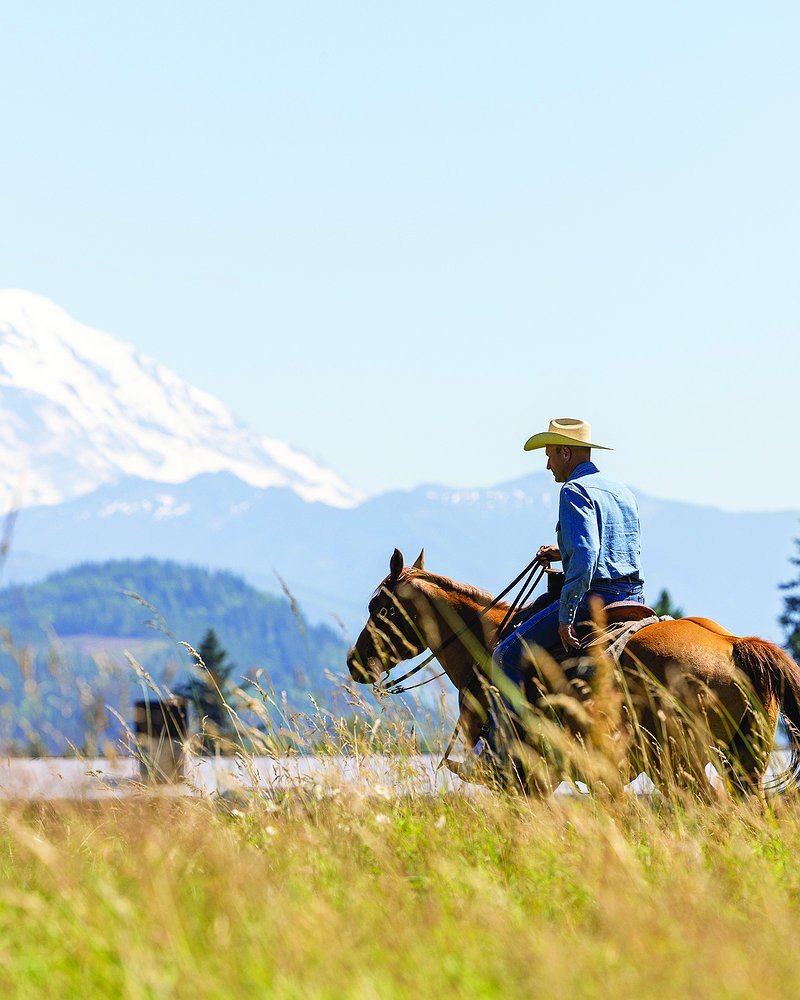 Ranchers in Washington saw a better market in 2025, industry analysts said.
COURTESY PHOTO/WASHINGTON STATE BEEF COMMISSION;cdphotog.com
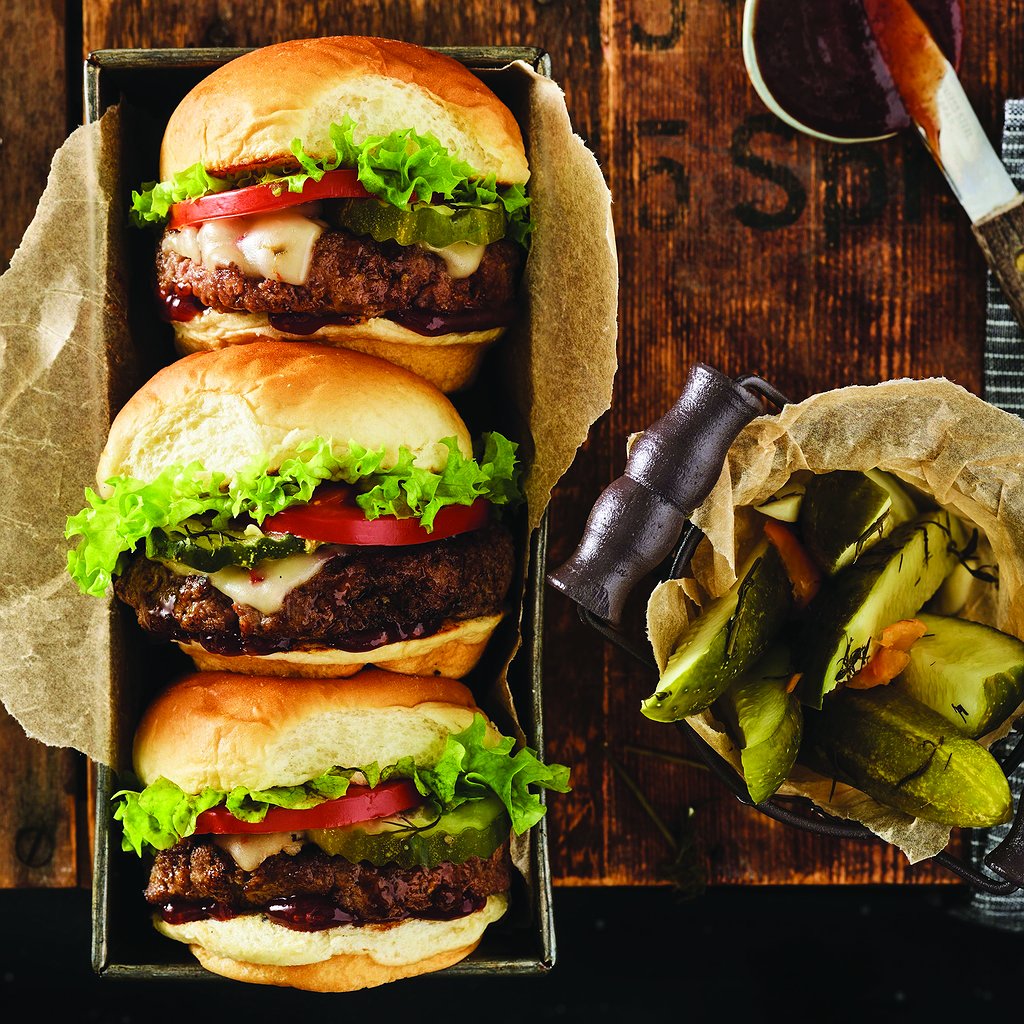 Beef continues to be a popular source of protein for consumers.
COURTESY PHOTO/WASHINGTON STATE BEEF COMMISSION;Jessica Grenier