

Klompen Farms: Family-run hay producer turns decades of know-how into repeat wins — and loyal customers

A load of Klompen Farms hay goes across Deception Pass Bridge on its way to Whidbey Island in 2024.
Courtesy photo/Klompen Farms
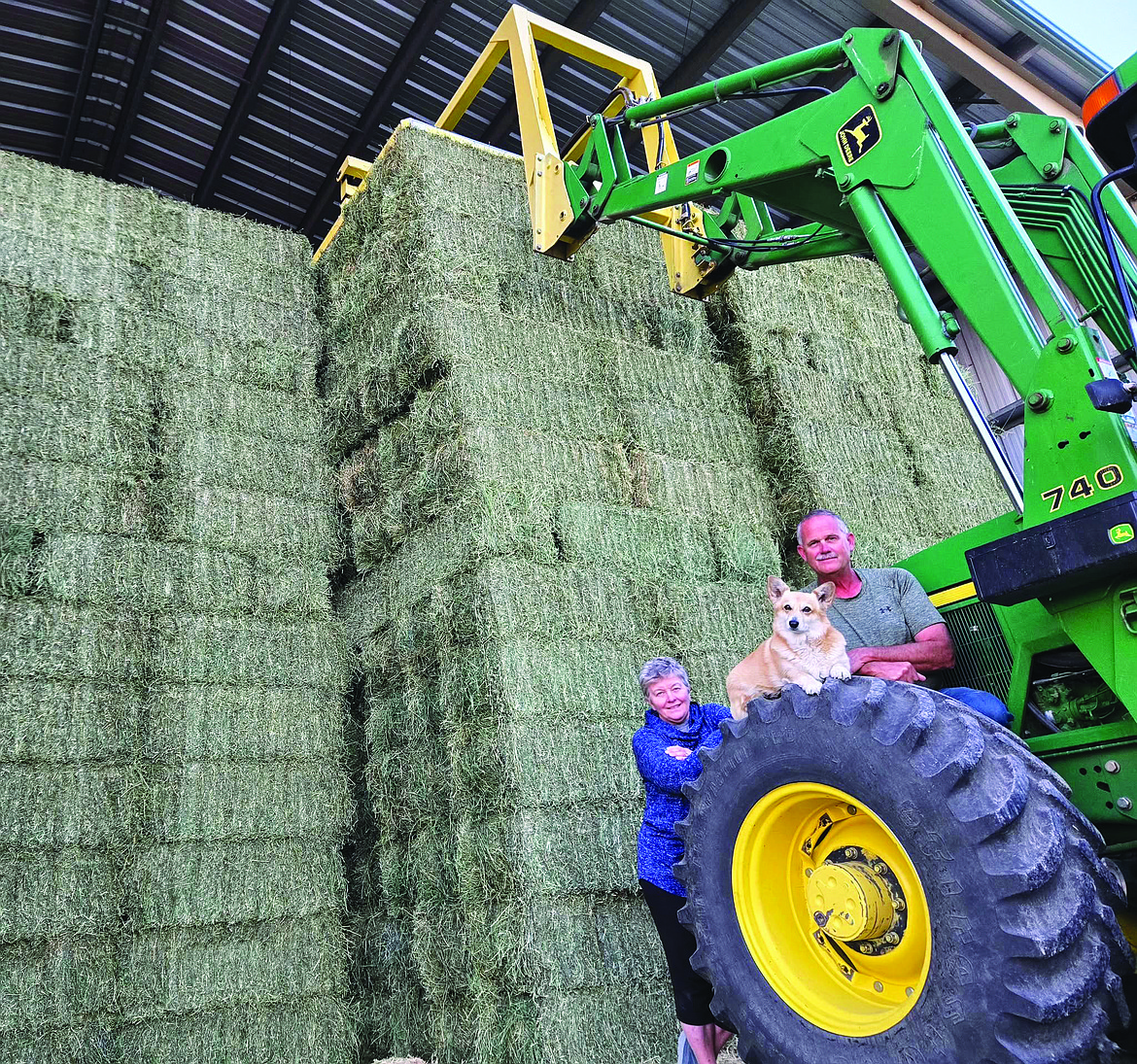
Klompen Farms owners Bob and Anne Wieldraayer smile in front of their loads of alfalfa hay.
Courtesy photo/Klompen Farms
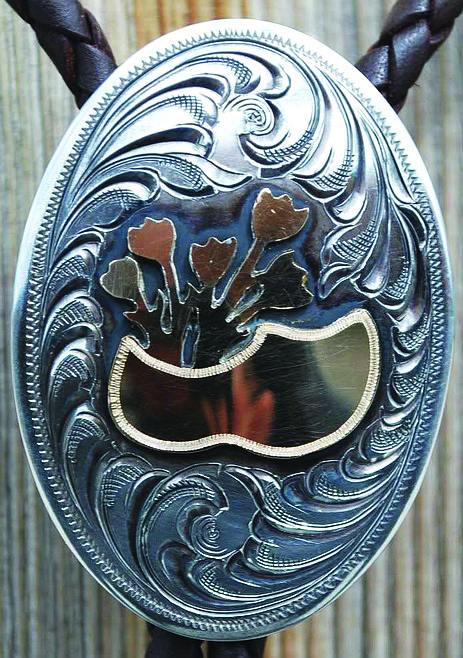
Klompen is Dutch for wood shoe, which has represented the farm since its opening. The five tulips located on the emblem represent the five years owners Bob and Anne Wieldraayer had been married before opening their farm.
Courtesy photo/Klompen Farms
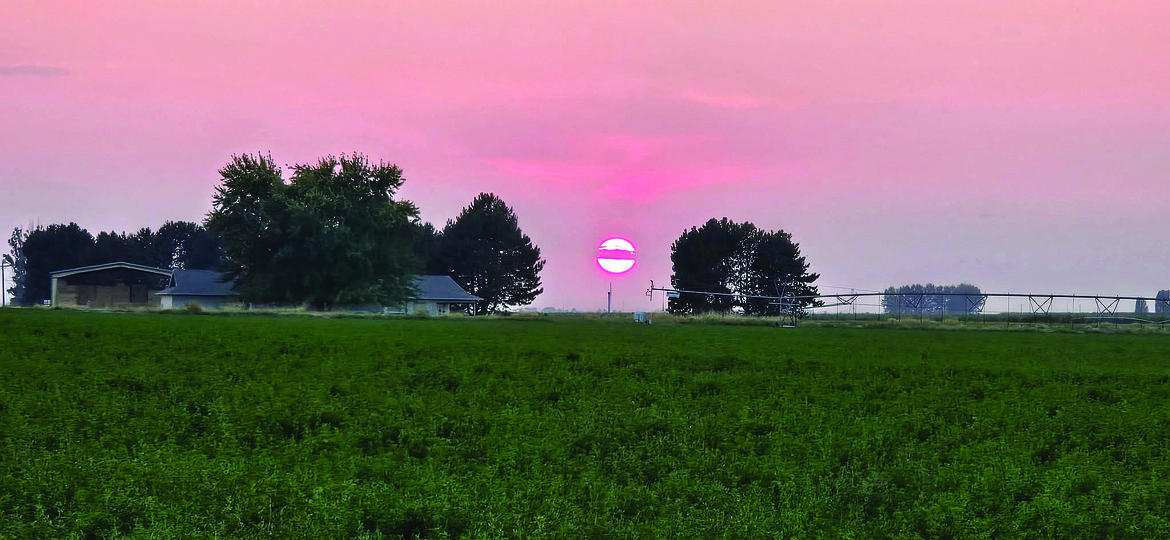
The sun rises over alfalfa hay crops at Klompen Farms. Co-owner Bob Wieldraayer said one of his favorite pieces of being a farmer is enjoying both the sunsets and sunrises over the Saddle Mountains.
Courtesy photo/Klompen Farms
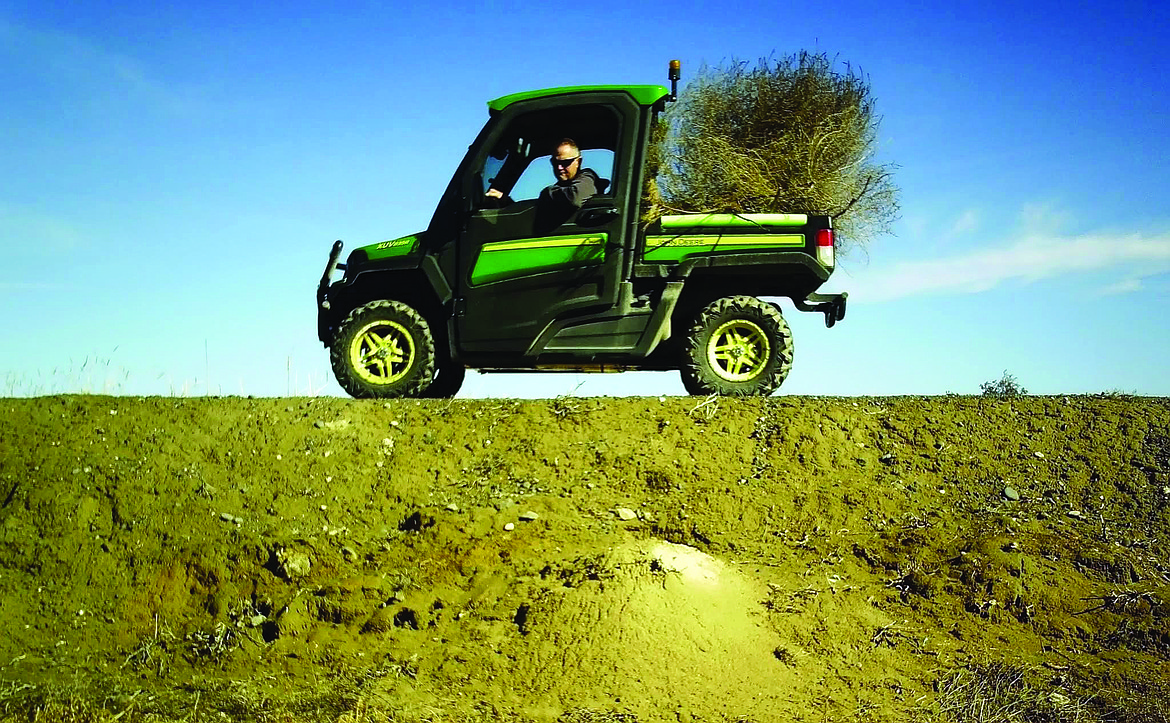
Klompen Farms co-owner Bob Wieldraayer removes tumbleweeds from his farm.
Courtesy photo/Klompen Farms
ROYAL CITY — For nearly four decades, Klompen Farms has been a name synonymous with meticulous haymaking in the Columbia Basin. Co-owner Bob Wieldraayer said he and his family have built an operation on consistency, honesty and a relentless focus on quality — an approach that has earned the farm three “Hay King” titles and a devoted customer base across Western Washington and beyond.
“We moved here from Whidbey Island in 1988,” Wieldraayer said. “That’s why we moved out here. We bought a farm.”
Diversified to Specialized
Klompen Farms began as a diversified farm — timothy and orchard grass, plus a long list of seed crops including carrots, radishes, kale, burdock and peas — and even some wheat. Over the years, Wieldraayer sharpened the focus to a single crop: alfalfa hay.
“I guess it’s the direction I wanted to go,” he said. “We could do it all by ourselves, with my wife and my two daughters. We have a customer base over on Whidbey Island that recognizes who we are and what we do — our attention to detail and a quality product, a consistent product.”
The alfalfa emphasis fits Klompen’s core market: horses.
“Particularly for the horse industry,” Wieldraayer said. “These people enjoy their horses, and they want the best for their horses. That’s the market that we’ve gotten ourselves into.”
Rooted in heritage
The farm’s identity and name is a nod to Wieldraayer’s family roots.
“‘Klompen’ is Dutch for wooden shoes,” he said. “We’re Dutch. My last name is Dutch. My grandparents immigrated from Holland.”
Their logo — a wooden shoe with five tulips — marks the hay shed, equipment and even the farm’s social media channels. The tulips commemorate the five years Bob and his wife had been married when they launched the farm.
“It’s been our logo since day one,” he said.
The branding permeates everyday life.
“The day Washington state went to seven-digit license plates … I submitted an application for the license plate KLOMPEN and I’ve had it ever since,” Wieldraayer said.
Wins that sell
In the Columbia Basin, hay is a global calling card — and competition is fierce. Klompen Farms stood out, winning the Hay King Contest at the Grant County Fair three times: 2008, 2011 and 2021.
“That’s advertisement,” Wieldraayer said. “It just costs a few bales of hay to enter.”
He’s plainspoken about the farm’s differentiator.
“I’ve always told my daughters and my wife that we need to make a better bale of hay than the neighbor … the hay has to sell itself,” he said.
The approach draws customers near and far — from Whidbey and Skagit to British Columbia — and sometimes in surprising places.
“We’ve even sent hay to Bellingham, and there’s pictures of camels eating our hay,” he said.
Scaling to balance
At its peak, Klompen Farms managed 200 acres. In recent years, the operation has right-sized to 69 acres, a decision driven by changing market conditions and personal choices.
The tighter footprint hasn’t diminished the farm’s reputation, he said. If anything, it sharpened the family’s focus on quality and service.
“I’ve sold lots of hay to first-time buyers on the phone,” he said. “It doesn’t do me or you any good to be dishonest about the product I’m trying to sell to you.”
Serving honestly
Like producers across the Basin, Klompen Farms faces a cost squeeze from fuel, fertilizer and insurance.
“Expenses … seem to be out of our control,” Wieldraayer said. “You really have to micromanage everything to be successful.”
When problems arise, he takes a customer-first approach. He recalled a buyer who called about “green slugs” in a load.
“I calmed him down,” Wieldraayer said. “It doesn’t make sense to haul it all the way back. How does half price sound?”
They kept doing business, he said.
Another shipment to Surrey, British Columbia, arrived on a weekend and toppled in the warehouse. Oddly, the same stack configuration fell in his own barn.
“To this day, we honestly don’t know what happened,” he said. “I told him, ‘Pay me for what you can sell and discard the rest.’”
The buyer did — and remained a customer, he said.
“You don’t get to where you are today by cheating somebody on product or anything else,” Wieldraayer said. “If you’re going to find a problem with my hay, I will fix it for you.”
All scales
Klompen sells semi-loads to stables and single bales to families — sometimes into unlikely vehicles. It’s a matter of meeting the need of the client looking for quality hay, he said.
“I don’t care if it’s one bale or 20 bales,” Wieldraayer said. “We’ve loaded hay into Honda Accords — a bale in the back seat and a bale in the passenger seat.”
He’s seen S-10 Blazers with six bales inside and four on the roof rack, minivans and everything in between.
The point, he said, is simple: “Pay me, that’s all I ask.”
Family centered
Wieldraayer’s daughters grew up on the farm, trapping gophers, checking siphon tubes and eventually running equipment — especially balers. Today, one daughter works at Callahan Manufacturing in Royal City; the other lives nearby. The farm is now just Bob and his wife, Anne, but the family imprint remains.
“It’s enjoyable being out doing our thing, the best that we can,” he said. “The aroma of the crop, the sunrises and sunsets … the stars or the moon going across the Saddle Mountains. It’s special. Doing it with your family is satisfying.”
Looking at the Klompen Farms Facebook page, there continue to be family memories made with grandchildren appearing in the farm’s feed.
Enduring values
Asked to sum up Klompen’s values, Wieldraayer doesn’t hesitate.
“Being honest,” he said. “That’s a pretty good blanket.”
He tells of a customer who phoned to ask about hay quality while standing in Klompen’s own hay shed.
“I was seven miles away,” Wieldraayer said. “Guess who sold a load of hay that day? And multiple to that gentleman.”
In his view, reputation is everything.
“Do me wrong once, and that’s the end of our business relationship,” he said. “But if you’re fair with people, they always come back.”
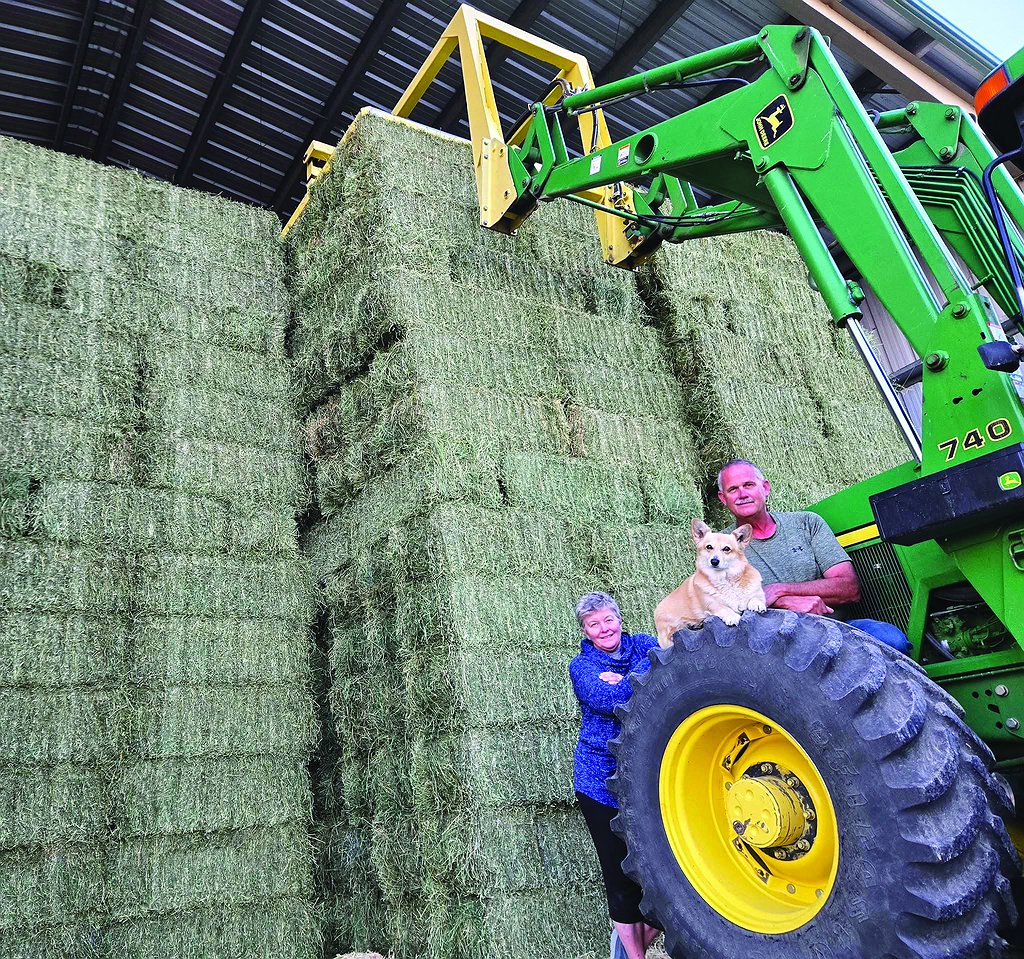 Klompen Farms owners Bob and Anne Wieldraayer smile in front of their loads of alfalfa hay.
Courtesy photo/Klompen Farms
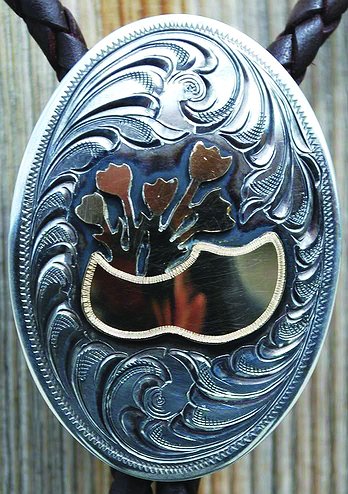 Klompen is Dutch for wood shoe, which has represented the farm since its opening. The five tulips located on the emblem represent the five years owners Bob and Anne Wieldraayer had been married before opening their farm.
Courtesy photo/Klompen Farms
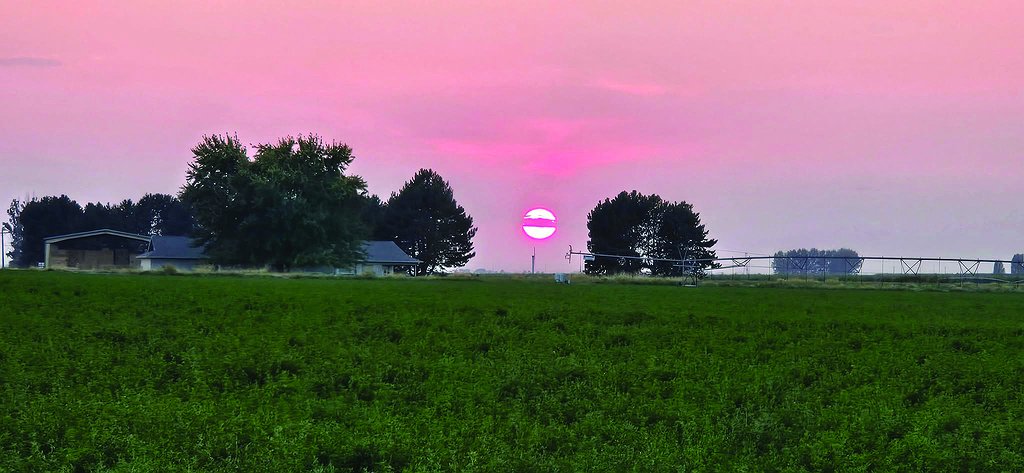 The sun rises over alfalfa hay crops at Klompen Farms. Co-owner Bob Wieldraayer said one of his favorite pieces of being a farmer is enjoying both the sunsets and sunrises over the Saddle Mountains.
Courtesy photo/Klompen Farms
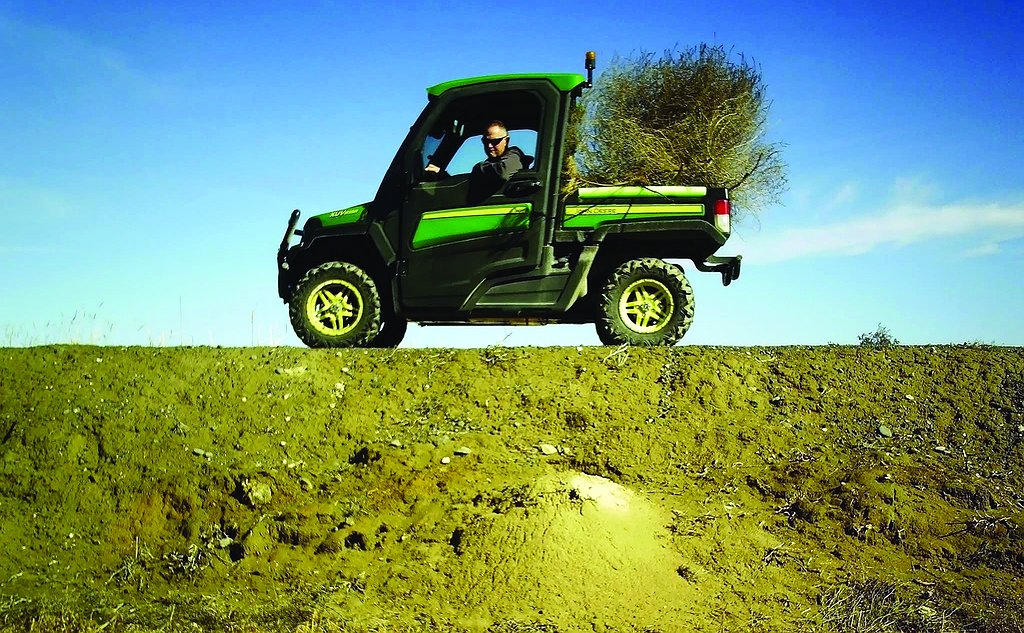 Klompen Farms co-owner Bob Wieldraayer removes tumbleweeds from his farm.
Courtesy photo/Klompen Farms